
All-In-One Systems Installed With Technical Precision
Package Units in North Chesterfield for manufactured homes and slab-on-grade properties without attic or crawl space access
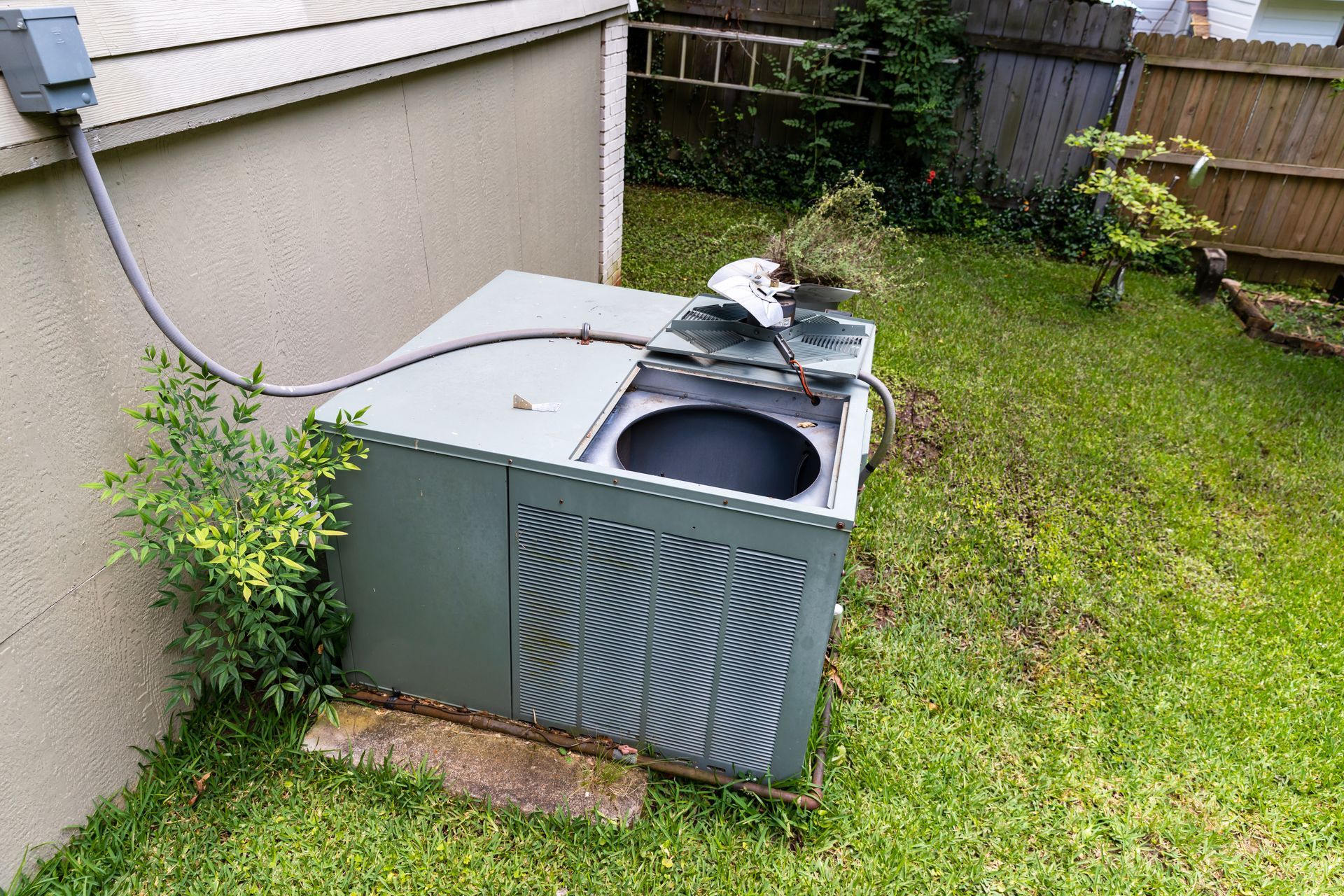
Improper installation is the leading cause of premature package unit failure across Richmond-area manufactured homes and slab-on-grade builds, where condensate backup and compressor wear begin within months of a sloppy install. Package units house heating, cooling, and blower components in a single outdoor cabinet, making them the only option for properties without interior space for a split system air handler. Tyler's Heating and Air Conditioning Inc installs and services packaged HVAC systems throughout North Chesterfield, treating every installation with the same technical rigor applied to split systems—correct leveling, duct collar sealing, and refrigerant charge verification as standard procedure, not shortcuts.
Package unit installation begins with a level concrete pad or structural platform, because even a two-degree slope causes condensate to pool inside the cabinet instead of draining through the built-in pan. Duct collar sealing prevents conditioned air loss at the connection point between the unit and ductwork, and refrigerant charge must match manufacturer specifications to avoid short cycling and compressor overheating.
Request a detailed estimate based on your property's duct configuration and unit pad requirements.
What Proper Installation Requires
Precise unit pad leveling and correct duct collar sealing determine whether a package unit lasts eight years or twenty. The concrete pad or platform must sit level within one degree in all directions, verified with a torpedo level before the unit is set, because condensate drains by gravity through internal pans that won't clear moisture if the cabinet tilts. Duct collars connecting the unit to supply and return ductwork require mastic sealant and foil-faced tape rated for outdoor exposure, not standard cloth duct tape that degrades under UV and temperature swings.
Once Tyler's completes installation, you'll notice consistent airflow without pressure drops at distant registers, no water stains inside the cabinet during cooling season, and compressor run cycles that match thermostat calls without short cycling. Refrigerant charge gets verified using superheat or subcooling calculations based on outdoor temperature and system design, because factory charge assumes specific line lengths and elevation changes that vary by property.
Package units require annual filter changes and coil cleaning just like split systems, but outdoor placement exposes components to more debris, rain intrusion, and UV degradation. The control board and electrical connections sit inside a weatherproof compartment, but improper sealing allows moisture infiltration that corrodes terminals and causes nuisance trips on safety switches.
What Property Owners Usually Ask
Manufactured home and slab-build owners in the Richmond area often ask about package unit longevity, installation costs, and how outdoor placement affects performance compared to split systems.
What's the difference between a package unit and a split system?
A package unit contains all heating and cooling components in one outdoor cabinet connected to ductwork, while a split system uses an outdoor condensing unit paired with an indoor air handler or furnace, requiring refrigerant lines between the two.
How does outdoor placement affect package unit lifespan?
Outdoor exposure accelerates wear on electrical components and cabinet seams, but proper installation with sealed duct collars and level pad placement prevents the premature failures common in rushed installs across North Chesterfield.
Why does my package unit drain water inside the cabinet during cooling season?
Improper leveling causes condensate to pool instead of draining through the built-in pan, leading to overflow inside the cabinet that corrodes the blower motor and rusts through the floor pan.
When should I replace the entire package unit versus repairing individual components?
If the compressor fails and the unit is more than twelve years old, replacement typically makes more sense than investing in a new compressor that will outlast the aging blower motor, heat exchanger, and control board.
What maintenance does a package unit need compared to a split system?
Both require annual filter replacement and coil cleaning, but package units also need duct collar inspection for air leaks and cabinet seal checks to prevent water intrusion from rain and snow.
Tyler's Heating and Air Conditioning Inc is available around the clock for package unit failures and serves the Richmond area with the same straight-talking approach applied to every heating and cooling project. Schedule an installation consultation to review your property's platform requirements and duct connection access.