Whole-System Assessments Before New Equipment Goes In
Air Conditioning Replacement in North Chesterfield for systems that have lost efficiency or failed beyond economical repair
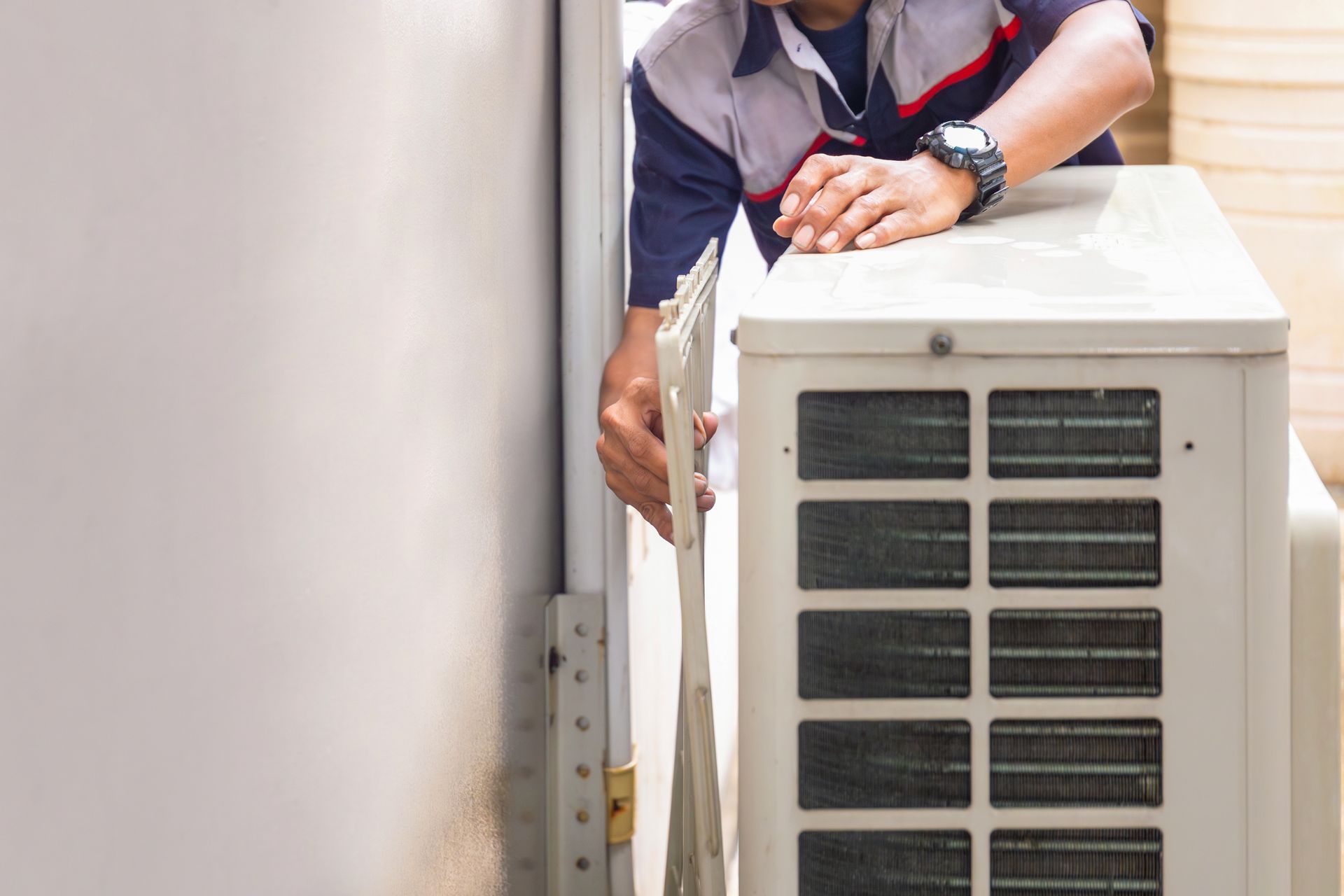
Richmond-area AC systems running past twelve to fifteen years lose efficiency faster under high-humidity operating conditions, making replacement the more cost-effective long-term decision when repair costs approach half the price of new equipment. The replacement process at Tyler's Heating and Air Conditioning Inc includes duct inspection and static pressure testing before new equipment is installed, because new units installed on leaking duct systems underperform from day one and never reach their rated efficiency. You need the full system assessed—not just the outdoor unit—so the replacement delivers the cooling capacity and operating cost savings the efficiency rating promises.
Duct leaks, undersized return air paths, and incorrect refrigerant line sizing all reduce the performance of new equipment, which is why testing the existing system reveals whether ductwork repairs or modifications are needed before the new unit is connected. Replacing only the outdoor unit without addressing airflow restrictions means the new compressor works harder than it should, shortening its lifespan and raising monthly operating costs.
Schedule a system evaluation to determine whether your existing ductwork and airflow will support new equipment at rated capacity.
What Proper Replacement Requires
Replacement work begins with duct inspection and static pressure measurement to confirm that the new equipment will receive adequate airflow and that conditioned air reaches the living space without leaking into unconditioned zones. If ducts are leaking or airflow is restricted, those issues are addressed before the new system is connected so that efficiency ratings translate to actual operating performance.
After installation, you notice that the system cools the home faster, indoor humidity stabilizes within the comfortable range, and monthly utility costs drop compared to the old unit's final years of operation. Tyler's Heating and Air Conditioning Inc assesses the full system before replacement, which is why new installs perform at rated efficiency instead of struggling against airflow restrictions or duct leaks that were never identified.
The replacement process also includes confirming that the electrical service and disconnect are rated for the new equipment's amperage draw, and that the condensate drain is routed to prevent overflow during high-load operation when the coil produces more water than older, lower-capacity systems.
Common Questions About System Replacement
Replacement decisions in North Chesterfield often involve weighing repair costs against new equipment, understanding efficiency ratings, and knowing what the replacement process includes beyond swapping the outdoor unit.
How do I know when replacement makes more sense than another repair?
When repair costs exceed half the price of new equipment, or when the system has required multiple compressor or coil replacements in recent years, replacement becomes the more reliable long-term option.
What is included in a full system replacement beyond the outdoor unit?
Replacement includes the outdoor condenser, indoor evaporator coil, refrigerant line set if sizing has changed, electrical disconnect upgrades if required, and duct inspection with static pressure testing to confirm airflow supports the new equipment.
Why does duct inspection matter before installing a new air conditioner in North Chesterfield?
Leaking or undersized ducts reduce airflow to the point where new equipment cannot reach rated capacity, which means you pay for higher efficiency but never see the promised performance or lower operating costs.
When should I schedule a replacement to avoid peak-season delays?
Spring or early fall scheduling offers more flexibility, but replacements can be completed any time as long as the full system is tested and ductwork issues are addressed before the new unit is started.
What happens if my ductwork needs modification during replacement?
Duct modifications are identified during the inspection phase and completed before new equipment is installed, which ensures the system operates at rated efficiency from day one instead of underperforming due to airflow restrictions.
Tyler's Heating and Air Conditioning Inc tests ductwork and airflow before any new equipment is installed, which protects your replacement investment and ensures rated performance. Call to arrange a whole-system assessment before committing to new equipment.