Fuel Oil Systems Tuned for Combustion Efficiency
Oil Furnaces in North Chesterfield for properties not yet connected to natural gas lines
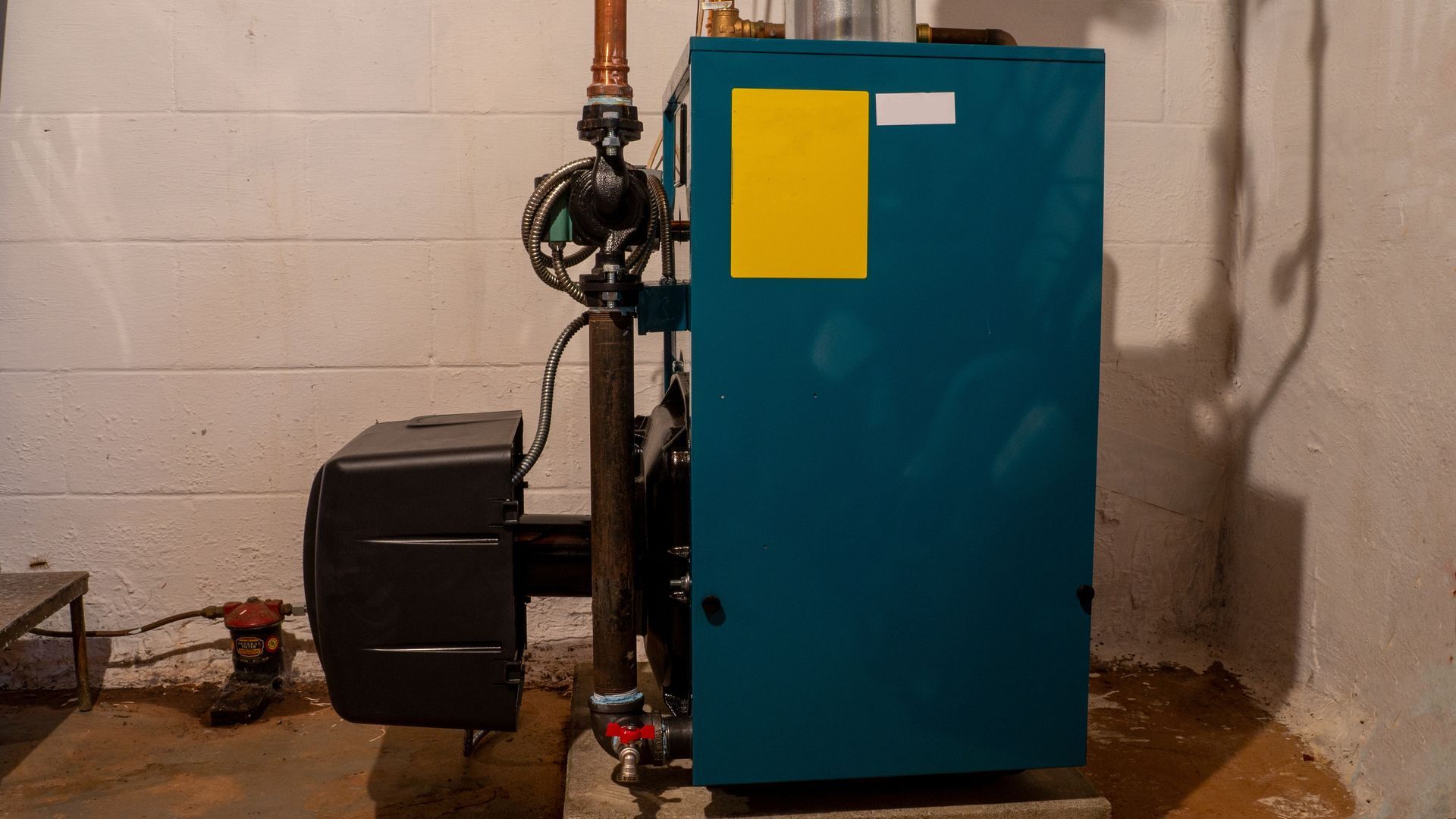
Pockets of older Chesterfield and Colonial Heights neighborhoods still rely on oil heat because natural gas infrastructure hasn't reached those streets, and oil furnace performance depends almost entirely on nozzle condition and combustion air mixture. Tyler's Heating and Air Conditioning Inc services, repairs, and maintains oil furnaces across the Richmond area, with particular attention to homes where skipped nozzle replacement and incomplete combustion tuning have caused soot buildup and efficiency loss over multiple heating seasons. You'll notice black soot around register grilles, higher-than-expected fuel consumption, and delayed ignition when nozzle wear progresses unchecked.
Oil furnace service involves more than replacing the filter and resetting the burner—it requires nozzle and electrode inspection, heat exchanger assessment, and combustion analyzer readings to verify complete fuel atomization. A worn nozzle sprays unevenly, creating soot deposits on the heat exchanger that insulate surfaces and reduce heat transfer into the air stream.
Arrange an on-site service visit to review your oil furnace's nozzle condition and combustion efficiency.
Why Nozzle Sizing Drives Combustion Quality
Oil burner nozzles are precision-drilled components sized in gallons per hour and spray angles, and using the wrong size creates either incomplete combustion or excess fuel flow that the heat exchanger can't fully absorb. Tyler's includes nozzle sizing and combustion tuning on every oil furnace call, measuring oxygen levels and smoke density with a combustion analyzer to confirm that fuel atomization matches burner input requirements.
After service is complete, you'll notice cleaner startup without black puffback smoke, steadier flame without cycling interruptions, and lower fuel consumption per heating cycle. The electrode gap gets checked and adjusted to manufacturer specification, because worn electrodes delay ignition and allow unburned fuel to accumulate in the combustion chamber before lighting—a condition that causes the loud boom some oil furnace owners hear at startup.
Heat exchanger inspection involves checking for soot buildup, cracking along seams, and corrosion from sulfur compounds in fuel oil, all of which reduce efficiency and create safety risks if combustion gases leak into circulating air. Oil furnaces require annual nozzle replacement and combustion tuning as standard maintenance, not optional service, because fuel oil contains particulates and sulfur that accelerate wear compared to natural gas systems.
Answers to Frequent Service Questions
Property owners in North Chesterfield who heat with oil often ask about nozzle replacement frequency, soot causes, and whether switching to gas makes sense when lines become available.
How often does an oil furnace nozzle need replacement?
Nozzles should be replaced annually at the start of each heating season, because even partial wear changes spray pattern and reduces combustion efficiency by five to fifteen percent over a single winter.
What causes black soot around my furnace and registers?
Incomplete combustion from a worn nozzle, incorrect air-to-fuel ratio, or delayed ignition creates soot that exits the heat exchanger and circulates through ductwork, settling on register grilles and nearby walls.
Why does my oil furnace use more fuel than it did five years ago?
Heat exchanger soot buildup insulates metal surfaces and prevents heat transfer, forcing the burner to run longer cycles to satisfy thermostat calls, while nozzle wear increases fuel flow beyond the rated gallons-per-hour specification.
When should I consider converting from oil to natural gas?
If natural gas service reaches your street in North Chesterfield and your oil furnace is fifteen years old or older, conversion typically pays for itself in fuel cost savings within ten to twelve years, depending on oil price volatility.
What's included in a complete oil furnace service visit?
Tyler's Heating and Air Conditioning Inc replaces the nozzle and filter, inspects electrodes and flame sensor, cleans the heat exchanger if accessible, and uses a combustion analyzer to verify oxygen levels and smoke density fall within manufacturer specifications.
Tyler's Heating and Air Conditioning Inc answers the phone when you call, day or night, and treats oil heat service with the technical attention it requires. Contact Tyler's Heating and Air Conditioning Inc directly to schedule nozzle replacement and combustion tuning before peak heating season.